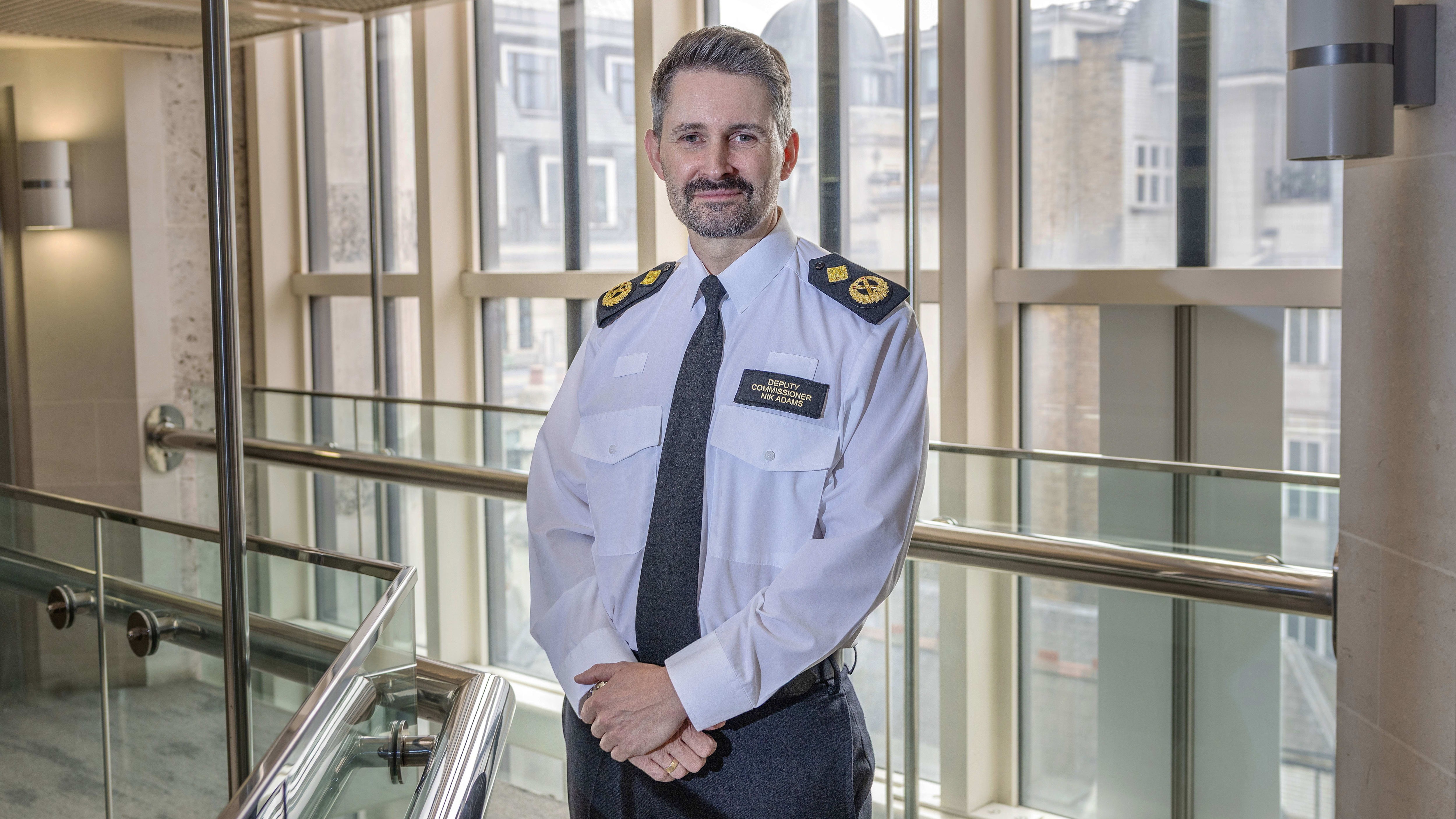
A senior City of London Police officer has called on the UK’s new prime minister to be “loud and visible” about tackling fraud, the most prevalent crime in Britain.
In an interview with the FT, Nik Adams, a deputy commissioner who is also national policing lead for fraud, said that Andy Burnham must prioritise anti-fraud funding in order to cut the number of offences.
Fraud accounts for 46 per cent of all crime in England and Wales, yet only 2 per cent of resources are dedicated to it, Adams said.
“The biggest thing that I need is for a new prime minister . . . to be loud and to be visible on the importance of fraud,” Adams said on the day Burnham entered Downing Street.
He said the prime minister must “recognise the scale of fraud affecting the UK public and businesses and make sure that there’s a commensurate level of government investment to support that”.
Adams’s call comes as the Home Office prepares the biggest overhaul of policing in England and Wales to date.
Home secretary Shabana Mahmood, who has called the present structure “irrational”, in January set out plans to merge local police forces into larger units and create a new National Police Service, which the Home Office referred to as a “British FBI”.
The NPS is expected to merge with the National Crime Agency, which leads the UK’s response to serious and organised crime, and the new service will take on a series of the national policing roles carried out by local forces, such as counterterror policing, which is overseen by the Metropolitan Police, and the National Police Air Service, which West Yorkshire Police operates.
It is not yet clear what this will mean for the City of London Police, the UK’s smallest police force by territory covered, which marks 20 years this week as the UK’s lead force on fraud.
“The biggest thing that worries me in . . . putting everything into a National Police Service is the dilution and erosion yet further of the response to fraud,” said Adams from his office, decorated with memorabilia from global police forces.
“Sat alongside guns and drugs and terrorism, fraud . . . isn’t perceived to be a bit of crime that bleeds, bangs or shouts,” he added.
Over the past two decades, the City of London Police has created specialist units to target insurance, counterfeit goods and payments fraud, as well as working with the private sector to disrupt criminals.
This year the force started using AI to help automate the triaging of fraud reports and more quickly send alerts to organisations outside law enforcement to help intercept crimes.
For example, if a report relates to fraud on Facebook Marketplace, which allows users to buy and sell goods, Meta would be alerted.
“What we are seeking to do is to put a huge amount of friction into . . . [criminals’] business operating model, so that it becomes less economically beneficial,” said Adams.
A review of policing structures is being carried out by Lord Bernard Hogan-Howe and is due to report by the end of summer.
The government did not respond to a request for comment.